Formulation
Formulation as a living, shared understanding
A good formulation draws on more than one professional view, is shared rather than filed away, and keeps changing as understanding of a person's life grows.
 BLOOMSBURY SOCIETY
Articles from the Society on psychology, psychiatry and mental-health research. Clinical claims carry a source and a date.
A good formulation draws on more than one professional view, is shared rather than filed away, and keeps changing as understanding of a person's life grows.
Formulation is the working, collaborative explanation of why a difficulty developed for one particular person, built together and always open to revision.

A wider model, a long move away from large institutions and a changed idea of recovery reshaped mental health care across the twentieth century's second half.

In the nineteenth century a conviction that distress deserved order and kindness rather than restraint reshaped care, and later gave way to competing theories of mind.

Supervision sets aside protected time to reflect on demanding work with a colleague, rather than carrying it alone, and it sits alongside informal peer support.
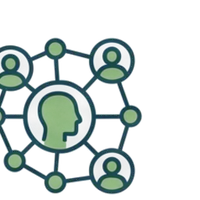
Mental health work asks people to sit closely with other people's distress for a living, and how sustainable that becomes depends on the systems around them.

Assessment gathers the evidence and diagnosis gives part of it a shared name; the two do different jobs, and neither one replaces the other.

An assessment is best understood as a structured, careful conversation that builds a shared picture between a clinician and the person in front of them.
Putting a difficult experience into words, to a clinician, a friend or someone who has been through something similar, is among the oldest tools in mental health care.
People who have lived with mental illness bring knowledge that clinical training alone cannot provide, and increasingly they help shape the care others receive.
Clinical treatment is only part of recovery from mental illness; stable housing, meaningful activity and steady relationships often matter just as much.
Most ongoing mental health care now happens close to home, delivered by teams that bring different professions together around a person's whole life.
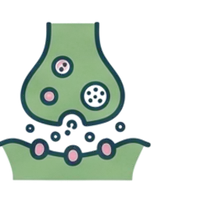
Neurons pass signals across tiny gaps called synapses, and much of what mental illness changes, and much of what treatment changes, happens at that junction.
Brain imaging lets researchers see the brain's structure and its activity, but a picture of the brain is where questions start, not where a diagnosis ends.
The early signs of psychosis are often subtle and easy to miss, but recognising them and seeking support sooner tends to make everything that follows easier.

Psychosis is a general medical term for a change in how a person experiences reality, and understanding it clearly is more useful than fearing the word. What the word covers "Psychosis" is not a diagnosis in itself.
DESIGN CHECK (test, delete). A worked example of the article shape: a standfirst, an evidence rating, two subheadings, one picture and the field it belongs to. A formulation is a shared account of why a person is struggling now.